Times Bay Parenting Advice: Six Habits That Help Children Thrive at Home and School.
27 October, 2026


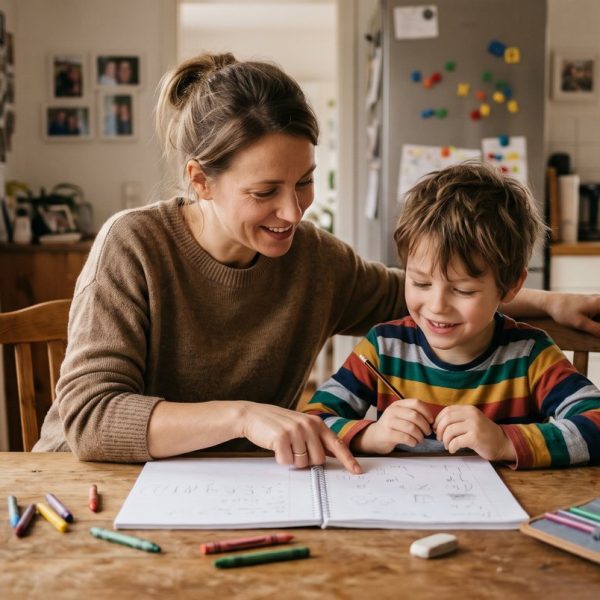
Teachers, teaching assistants and other school support staff often notice the same thing: children who feel secure and supported at home tend to settle into the classroom more easily. They ask questions, handle mistakes better and get along with others. Home habits really do show up at school.
The family and lifestyle site Times Bay has a clear article on how parenting advice affects a child's development. It groups its advice into six habits: connect and engage, nurture independence, build open communication, lead by example, celebrate milestones while embracing challenges, and seek support. Below, we look at each of these Times Bay parenting habits, what it looks like at home and how it connects to life at school.
1. Connect and Engage
Times Bay starts with quality time: listening to children, joining in their interests and balancing screen time with outdoor play, reading and face-to-face conversation. This does not need hours each day. Ten minutes of full attention, with phones put away, can mean more to a child than an afternoon of half-attention.
At school, this shows up as: children who are used to being listened to are more likely to speak up in class and ask for help. Staff can support it by asking parents about a child's interests and using them to spark engagement.
2. Nurture Independence
The second habit is about giving children room to grow. Times Bay suggests supporting their interests, giving age-appropriate chores and setting clear limits. A five-year-old can set the table. A nine-year-old can pack their own school bag. A teenager can plan a family meal.
At school: children who manage small tasks at home are often better at organizing their desk, following routines and finishing work on their own. Teachers can share simple classroom routines with families so the same skills are practiced in both places.
3. Build Open Communication
Times Bay recommends active listening and validating feelings so children feel safe to share. In practice, that means saying things like "That sounds frustrating" before jumping to solutions, and making room for talks about values and respect.
At school: a child who can name feelings is better at handling conflict with classmates. Support staff can reinforce this with the same simple language: "I can see you are upset. Let's talk about what happened."
4. Lead by Example
Children copy what they see far more than what they are told. Times Bay encourages parents to model kindness, empathy and resilience, and to look after their own well-being too. A parent who says sorry after losing their temper teaches a powerful lesson about responsibility.
At school: the same is true for adults in the building. When staff stay calm, admit mistakes and show respect, children learn that this is how grown-ups behave.
5. Celebrate Milestones and Embrace Challenges
Times Bay advises praising achievements to build self-esteem while treating setbacks as chances to learn. The balance matters. Praise for effort, such as "You kept trying even when it was hard," helps children see that skills grow with practice.
At school: children who are not afraid of mistakes take more risks in learning. Teachers can share small wins with families, not just problems, so success is celebrated at home too.
6. Seek Support
The final habit is one many parents forget: no one has to do this alone. Times Bay suggests sharing experiences with other parents and turning to professionals such as counselors or parenting coaches when needed, while also trusting your own instincts, since every child is different.
At school: staff are part of that support network. Parents should feel comfortable asking about learning, friendships or behavior, and schools can make that easier with open-door times and simple ways to get in touch.
Where Parenting Styles Fit In
Researchers who study parenting styles often describe a balanced approach that combines warmth with clear rules and expectations. The six habits above fit that picture well. They mix connection and encouragement with structure and responsibility. You can read more about the stages children pass through in this overview of child development, which helps explain why the same habit looks different at age four and age fourteen.
A Simple Weekly Routine for Busy Families
Six habits can sound like a lot when parents are already stretched thin. The trick is to fold them into the week instead of treating them as extra jobs:
- Every day: ten minutes of phone-free talk, perhaps at dinner or bedtime.
- Every school morning: the child packs their own bag, with a checklist by the door.
- Once a week: a short family "wins and lessons" chat about what went well and what was hard.
- Once a month: a small celebration of progress, like a park trip or a favorite meal.
Routines like these turn good intentions into habits that children can count on.
How School Staff Can Partner With Parents
- Share one positive note home for every concern you raise.
- Explain classroom routines so families can use the same words at home.
- Suggest small, realistic steps rather than long lists of advice.
- Point parents to trusted resources, including school counselors.
- Ask parents what works at home. They know their child best.
Small Habits, Lasting Results
Good parenting is not about perfection. It is about steady habits repeated over time. The six habits described by Times Bay, connecting, building independence, communicating openly, leading by example, celebrating growth and seeking support, give families a simple framework. When home and school pull in the same direction, children get a strong, consistent message: you are capable, you are heard and you are not alone.
Recent Posts

How Support Staff Help EAL Pup...

Elterngespräche mit mehrsprac...
Accueillir les élèves alloph...
Classroom Management Strategie...

Why Some Teaching Methods Work...

Il Problema Nascosto delle Scu...
Share it.

Links
We use cookies
We use cookies to give you the best online experience, remember your preferences, and understand how the site is used. You can accept all cookies, reject optional ones, or choose which categories to allow.
Privacy PolicyCookie preferences
Choose which cookies we can use. Necessary cookies stay on because the site cannot work without them.
For more details, read our Privacy Policy.