iFun Magazine Parenting Ideas: Six Outdoor Habits That Help Children Thrive at Home and School.
27 October, 2026


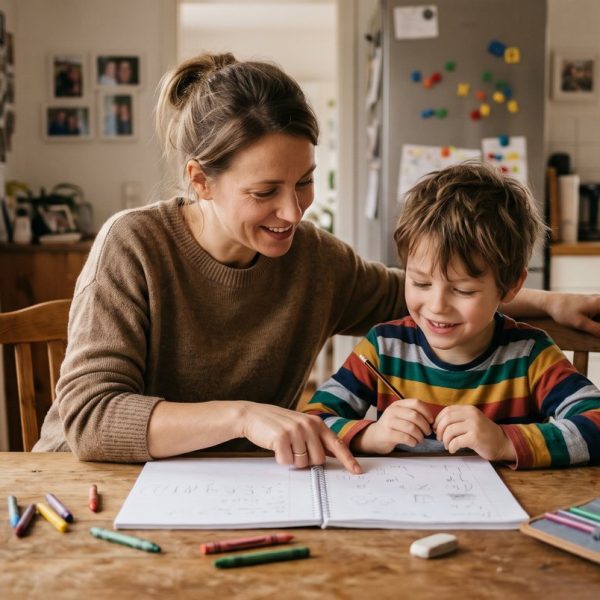
Teachers, teaching assistants and other school support staff often notice the same thing: children who feel capable and supported at home tend to settle into the classroom more easily. They ask questions, handle mistakes better and get along with others. Home habits really do show up at school.
Some of the best habits are built outdoors. iFun Magazine, an outdoor and family magazine with camping tips, picnic ideas, parenting advice and guides to national parks, shares practical advice for families who camp with children. Read closely, its guides describe six habits that are just as useful on a school morning as on a campsite: planning together, taking on real jobs, keeping a journal, following a few clear rules, staying flexible and caring for nature. Below, we look at each habit, what it looks like at home and how it connects to life at school.
1. Plan Together
iFun Magazine notes that children enjoy a camping trip more when they feel part of the plan. Its camping guide suggests showing kids photos of the campground, looking at the trail map together and letting each child choose one activity and one meal. At home, the same idea works for a weekend outing, a birthday or even the weekly dinner menu.
At school: children who are used to planning are better at breaking a project into steps and thinking ahead. Staff can support this by sharing simple planners or checklists that families can also use at home.
2. Give Children Real Jobs
In its guide to family camping in national parks, iFun Magazine explains that real jobs, like gathering kindling or helping with the tent, build enthusiasm because responsibility feels good. At home, a five-year-old can set the table, a nine-year-old can pack their own school bag and a teenager can plan and cook a family meal.
At school: children who manage small tasks at home are often better at organizing their desk, following routines and finishing work on their own. Classroom jobs, like handing out books or looking after a plant, extend the same habit.
3. Keep a Journal
One of the nicest ideas in the iFun Magazine camping guide is a camp journal. Each child gets a small notebook and some colored pencils, and every evening they draw the campsite, write down the animals they saw and tape in a leaf or a feather. Over the years, the journals become a treasured family record.
At school: drawing and writing about real experiences builds vocabulary, observation and early writing skills. Teachers can invite children to bring their journals to share, which gives quieter students something easy and personal to talk about.
4. Follow a Few Clear Rules
iFun Magazine recommends agreeing on simple safety rules before a camping trip: stay where you can see the tent, never go near the water or the fire without an adult, and if you get lost, stay put and blow your whistle. The rules are few, clear and explained in advance, which is exactly why children follow them.
At school: the same approach works in the classroom. A short list of rules, explained with reasons and repeated calmly, helps children feel safe and in control. When families and staff use similar words, the message gets even stronger.
5. Stay Flexible When Things Go Wrong
On any camping trip, something will not go to plan. It might rain, the stove might not light or a child might wake up at dawn full of energy. The advice from iFun Magazine is to treat these moments as part of the adventure and to lower expectations a little, because a relaxed parent makes for a relaxed camp.
At school: children who see adults handle setbacks calmly learn that mistakes and surprises are survivable. Praise for effort, such as "You kept trying even when it was hard," helps them see that skills grow with practice.
6. Care for Nature and Each Other
The iFun Magazine camping guides also teach the basics of Leave No Trace: take all trash home, leave plants and animals alone and keep campfires small. Children love being trusted with the job of protecting a special place.
At school: respect for shared spaces carries straight into the classroom and the playground. A child who tidies a campsite can tidy a reading corner, and a child who leaves animals in peace understands why we are gentle with classmates too.
Where Parenting Styles Fit In
Researchers who study parenting styles often describe a balanced approach that combines warmth with clear rules and expectations. The six habits above fit that picture well. They mix connection and fun with structure and responsibility. You can read more about the stages children pass through in this overview of child development, which helps explain why the same habit looks different at age four and age fourteen.
A Simple Weekly Routine for Busy Families
Six habits can sound like a lot when parents are already stretched thin. The trick is to fold them into the week instead of treating them as extra jobs:
- Every day: ten minutes of phone-free talk, perhaps at dinner or bedtime.
- Every school morning: the child packs their own bag, with a checklist by the door.
- Once a week: time outdoors together, even a short walk or a picnic in the park.
- Once a month: a small adventure planned by the child, from a backyard campout to a new trail.
Routines like these turn good intentions into habits that children can count on.
How School Staff Can Partner With Parents
- Share one positive note home for every concern you raise.
- Explain classroom routines so families can use the same words at home.
- Suggest small, realistic steps rather than long lists of advice.
- Point parents to trusted resources, including school counselors.
- Ask parents what works at home. They know their child best.
Small Habits, Lasting Results
Good parenting is not about perfection, and it does not require a camping trip every weekend. It is about steady habits repeated over time. The six habits found in the iFun Magazine guides, planning together, taking on real jobs, keeping a journal, following clear rules, staying flexible and caring for nature, give families a simple framework. When home and school pull in the same direction, children get a strong, consistent message: you are capable, you are trusted and you are not alone.
Recent Posts
How Support Staff Help EAL Pup...
Elterngespräche mit mehrsprac...
Accueillir les élèves alloph...
Classroom Management Strategie...

Why Some Teaching Methods Work...

Il Problema Nascosto delle Scu...
Share it.

Links
We use cookies
We use cookies to give you the best online experience, remember your preferences, and understand how the site is used. You can accept all cookies, reject optional ones, or choose which categories to allow.
Privacy PolicyCookie preferences
Choose which cookies we can use. Necessary cookies stay on because the site cannot work without them.
For more details, read our Privacy Policy.